Want to test LA VIPÈRE's pattern generation capabilities? This guide walks you through three progressive tasks that will help you understand how our AI transforms design images and prompts into sewing patterns and 3D assets.
To understand how to navigate the platform, see the quick guide. To make use of the automated grading, visit the grading guide.
Three Pattern Generation Tasks
We've designed three tasks that progress from foundational patterns to complex designs. Each task builds on the previous one, allowing you to test LA VIPÈRE's capabilities step by step.
To test all these tasks, you'll need to have images and prompts ready. Prepare clear front and back photographs of the garments you want to generate, along with detailed instructions describing the design elements.
To be able to generate patterns, sign up to the platform using the sign up button (Google account needed), then send an email to contact@lavipere.ai. We will give you credits for generation and testing.
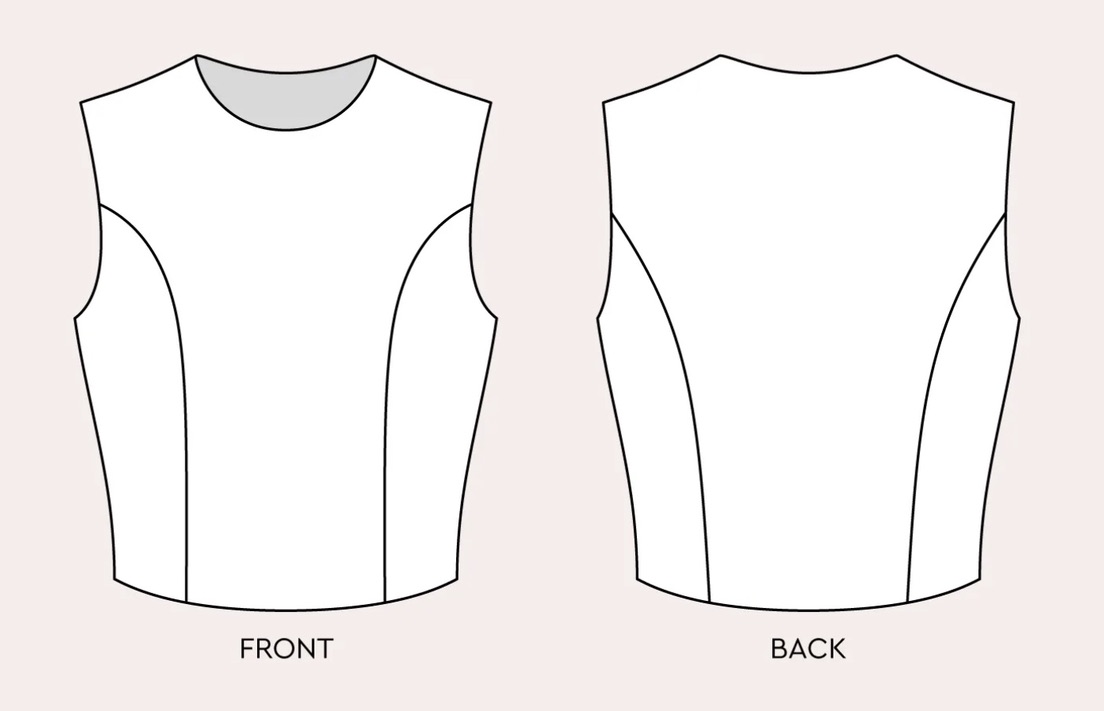
Task 1: Generate Basic Garment or Basic Block
Use LA VIPÈRE to generate basic blocks for your size table or multiple avatars as a starting ground for other designs. You can export the patterns in DXF and continue editing in another software (e.g., CLO3D), giving you a solid foundation to build upon while maintaining flexibility in your workflow.
- Basic bodice block
- Basic pant block
- Basic skirt block

Task 2: Generate Design with Moderate Complexity
Move to intermediate complexity. Create patterns for garments with design elements such as multiple pleats, asymmetry, and basic shaping. This tests LA VIPÈRE's ability to handle design details beyond basic blocks.
- Skirt with multiple pleats
- Asymmetric design elements
- Garment with basic design elements: cuts, darts, pleats

Task 3: Generate Complex Garment
Test the full capabilities. Design patterns for garments with a lot of design elements—multiple cuts, gathers, pleats, panels, and intricate details. This is where LA VIPÈRE truly shines, handling complex design requirements with precision.
- Dress with multiple panels, pleats, and gathers
- Jacket with complex seam lines and darts
- Garment with ruffles, tucks, and decorative elements
Complete Guide: How to Generate Patterns with LA VIPÈRE
To get the best results from LA VIPÈRE, follow these guidelines:
1. Provide Front and Back Photos
It's best to use flat sketches, but photos also work. Include clear front and back views, ensure good lighting, and make sure all design details are visible.
2. Be Clear with Instructions
Use standard pattern-making terminology, be specific about garment type, and avoid vague terms. The more precise your description, the better the results.
3. Describe Design Lines Accurately
For each design line (seams, darts, pleats), specify where they start, where they end, and how they curve. Use body landmarks (bust point, waistline, shoulder) for accuracy.
4. Include Necessary Measurements
Provide measurements for pleats, gathering coefficients, dart positions and widths, seam allowances, and panel dimensions when applicable.
5. Describe the Panels
Clearly describe each panel: count, shape, connections, placement, and any special features.
Example Instruction Set
For complete examples of how to structure your instructions for LA VIPÈRE, see the prompt guide.
Testing Tips
- Start simple: Begin with Task 1 (basic blocks) to familiarize yourself with LA VIPÈRE's interface and output format
- Compare results: If you have existing patterns, compare LA VIPÈRE's output with your known-good patterns
- Test edge cases: Try unusual designs or challenging elements to see how the AI handles them
- Iterate: Don't expect perfection on the first try. Refine your instructions based on the results
- Use 3D preview: LA VIPÈRE generates 3D simulations - use them to verify pattern accuracy
- Export and verify: Export patterns to DXF and verify in your preferred CAD software and continue editing
Ready to Test LA VIPÈRE?
Start with Task 1 and work your way through all three tasks to experience the full range of LA VIPÈRE's pattern generation capabilities.